This article contains affiliate links. I may earn a commission if you buy through them — at no extra cost to you. As an Amazon Associate I earn from qualifying purchases.
If you are new to creating a healthier home, I would start with the rooms you spend the most time in and the things you cannot see or smell.
That usually means air, water, moisture, and dust — not the products on your counter.
You do not need to tackle everything at once.
A few thoughtful changes are more sustainable than a whole-house overhaul.
Best bedroom air purifier – quiet HEPA filtration sized well for many bedrooms, with automatic air-quality sensing and a washable pre-filter.
Best water filter – Check your water report first. No single filter is the right choice for every home, so make sure its certified reduction claims match what you actually want to reduce.
One certified to NSF/ANSI 53 for your concern
Best humidity monitor – simple, affordable way to keep an eye on indoor humidity without another app or complicated setup.
“A healthier home is not a perfect one — it is one you have actually thought about.”
SMALL CHANGES ADD UP TO A HEALTHIER, HAPPIER YOU.
10 SIMPLE WAYS TO MAKE YOUR HOME HEALTHIER
If you are not sure where to start, here is a simple order of priority based on everyday exposure and how much difference each change actually makes — remember this is a process, not a purge.
Jump to any section below for more details!
1
Start with fresh air
2
Rethink plug-ins, candles, and air fresheners
3
Upgrade or replace your home filter
4
Know What’s in Your Water
5
Control moisture before anything else
6
Start with the bedroom
7
Wash new bedding and clothing first
8
Let new furniture and paint off-gas
9
Take your shoes off and cut the dust
10
Test for radon and check your CO alarms
Hi, I’m Nicky
I’m here to help you create a healthier, more intentional home with non-toxic essentials. My mission is to make cleaner, low toxic living feel achievable for everyday life — one small swap at a time.
Get simple tips, new articles, exclusive resources, and inspiration — in your inbox.
We respect your privacy. Unsubscribe anytime.
WHAT I LOOK FOR BEFORE I BUY
When I am deciding whether to change something at home, I try to keep it simple.
I do not expect every choice to check every box.
The goal is just to make a thoughtful decision that works in real life.
✓
Does this fix a source, or just cover a smell?
✓
Is there a free version of this change?
✓
Is the claim specific — MERV, NSF, GOTS — or vague?
✓
Will I actually keep up with it?
✓
Is this the room where I spend the most time?
IN DETAIL: 1–5
1Start With Fresh Air
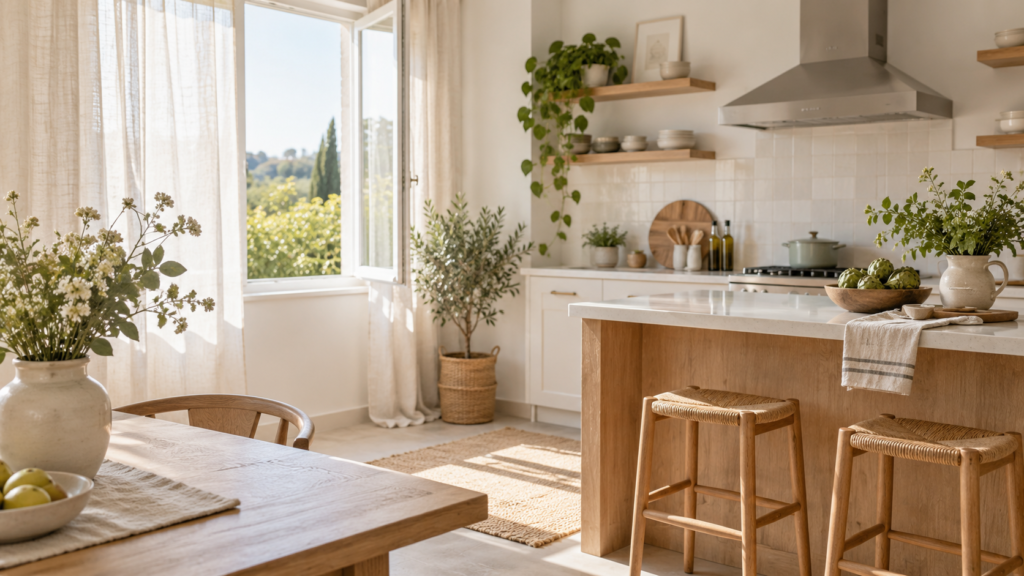
Fresh indoor air can start with a few simple habits. Open windows when the weather allows, use your range hood while cooking, and run the bathroom fan during and after showers to help keep your home feeling comfortable and well ventilated.
2Rethink Home Fragrance
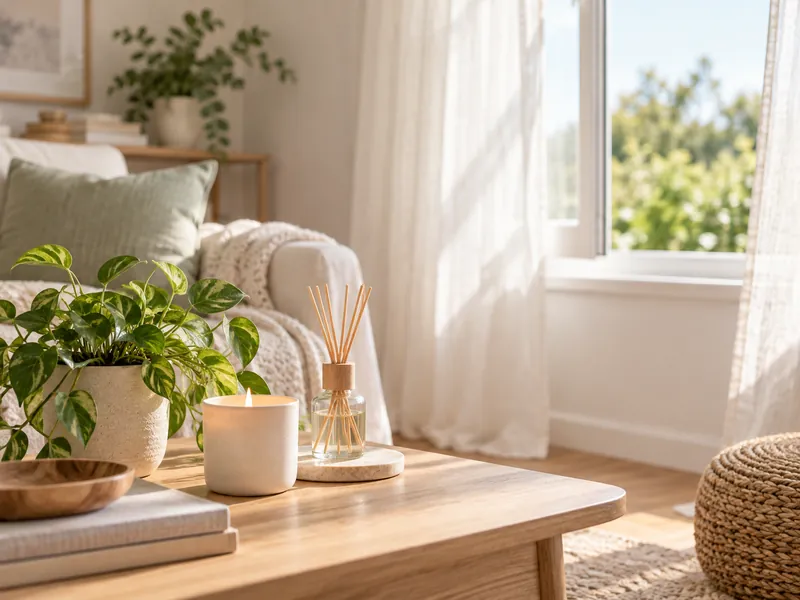
Fragrance can make a room smell fresh, but it often covers odors rather than removing them. When possible, start by finding the source, airing out the space, and using simpler fragrance options when you want to add a little scent to your home each day.
3Upgrade Your Home Filter
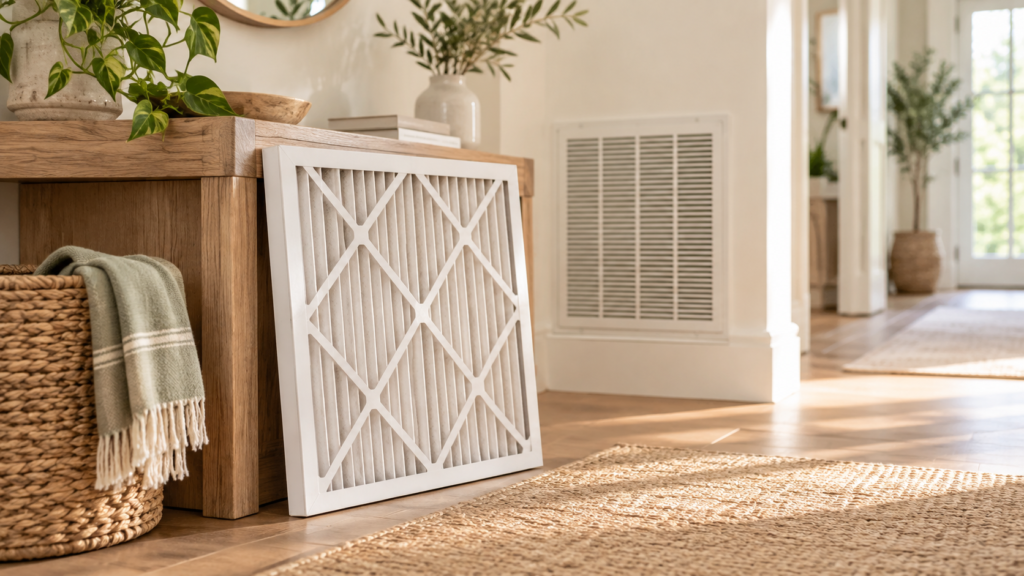
Before adding an air purifier, start with the filter already working in your home. If you have forced-air heating or cooling, a higher-efficiency filter may help capture more dust. Check what your system supports and replace filters regularly as needed.
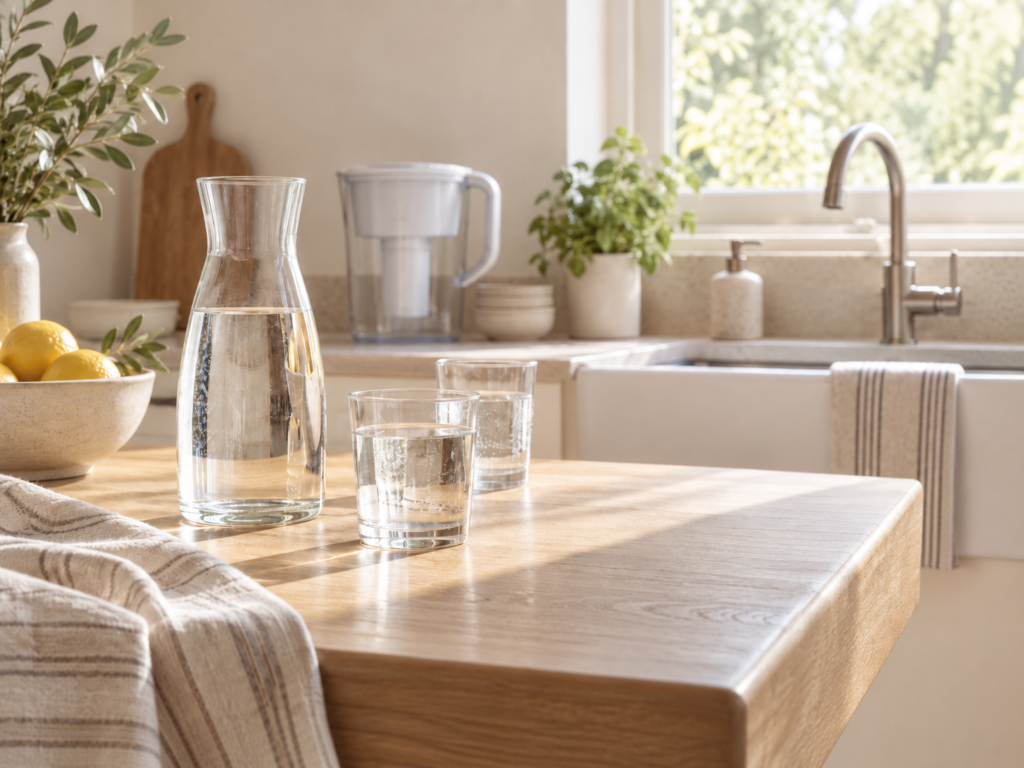
Start with your water report or a simple test so you know what you actually need. Then choose a filter designed for those concerns, and look for NSF/ANSI certification that matches the contaminants you want to reduce in your home’s water supply at home.
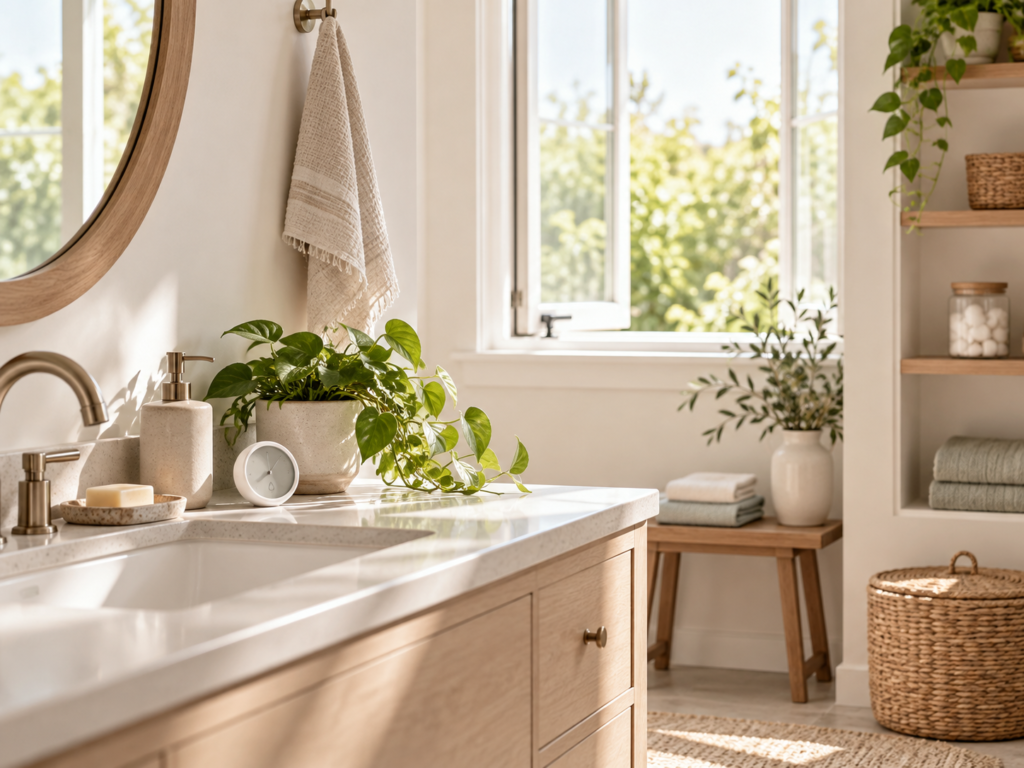
5Keep Moisture in Check
A little moisture awareness can go a long way in keeping your home comfortable. Aim for indoor humidity around 30% to 50%, check spots that tend to stay damp, and dry any damp areas within a day or two to help discourage mold from settling in your home.
Not every healthier-home habit comes from buying a new product.
Some of the most effective changes on this list cost nothing at all.
You can:
Open a window every day the weather allows.
Run the range hood and bathroom fan every time.
Take your shoes off at the door.
Fix the leak instead of masking the smell.
Wash bedding and new textiles more often.
Use up what you already own before replacing it.
This is the part I think matters most.
You do not need to start over.
You can simply make the next choice a little more intentional.
IN DETAIL: 6–10
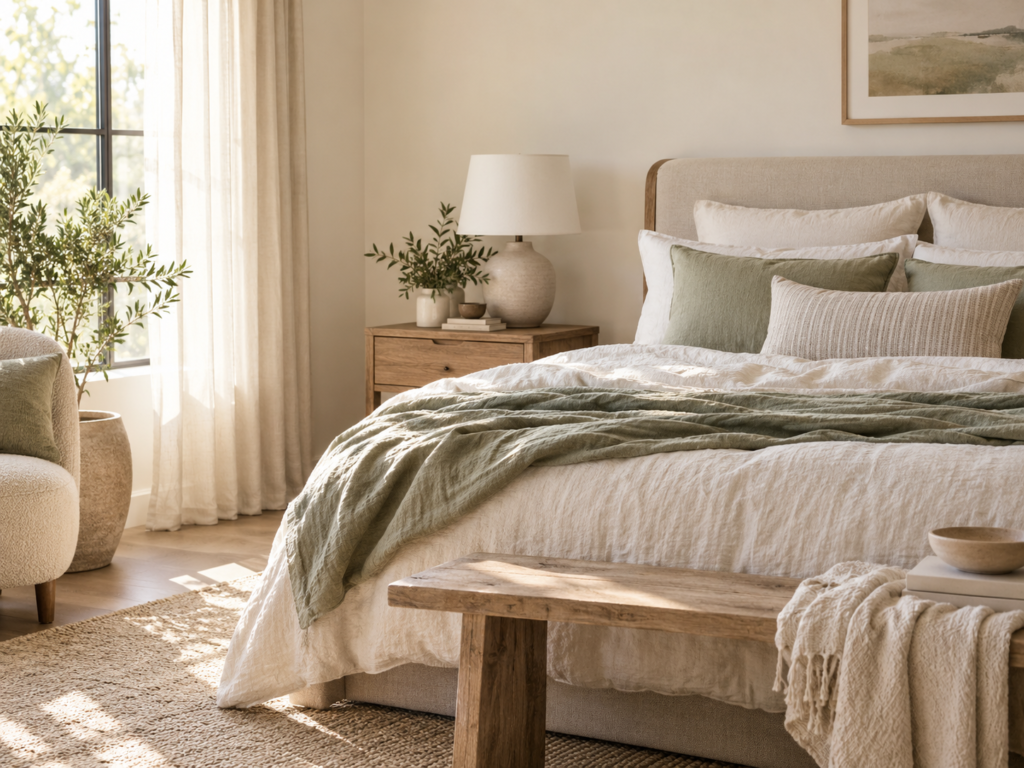
6Start With the Bedroom
If you spend a lot of time in one room, it can be a thoughtful place to begin. Wash bedding regularly, replace pillows when they no longer feel supportive, and consider the bedroom first if an air purifier makes sense for your home and comfort each day.
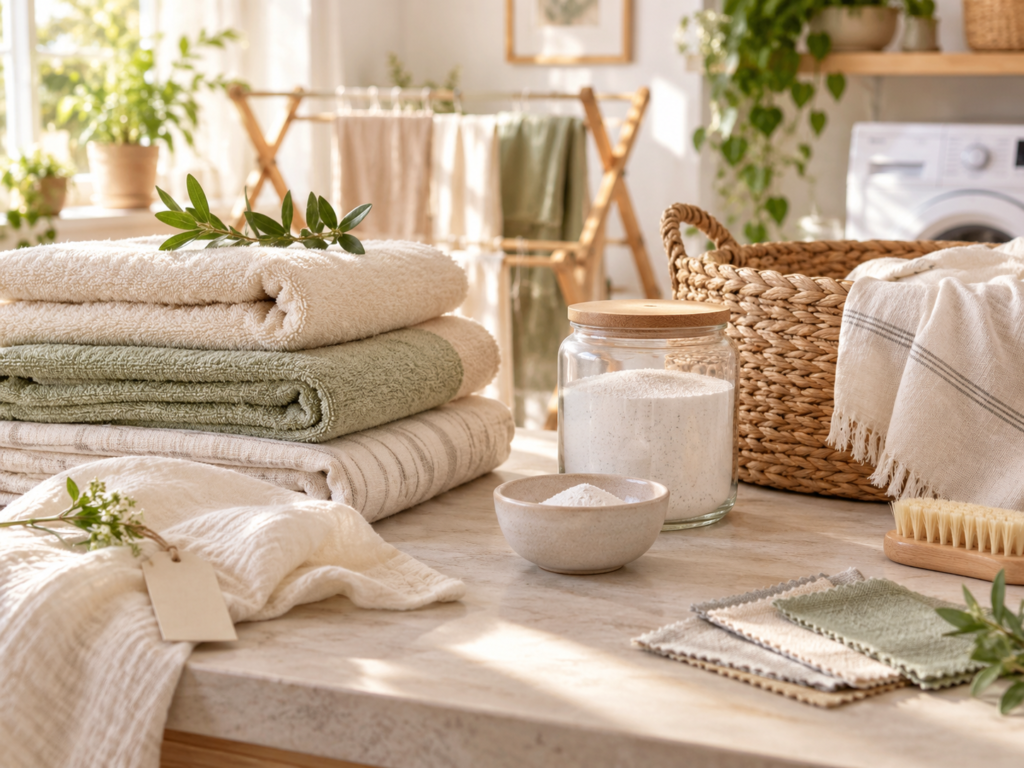
New fabric often carries finishes, dyes, sizing, and residues from manufacturing and shipping. Washing before first use is a free step that removes a portion of what is sitting on the surface, and it matters most for anything that sits against skin.
8Let New Pieces Air Out
New furniture, flooring, cabinetry, and paint can sometimes release odors for a little while. Fresh air can help so open windows when practical and give new pieces time to air out. When painting, choosing a low-VOC option can be a simple place to start.
9Leave Shoes at the Door
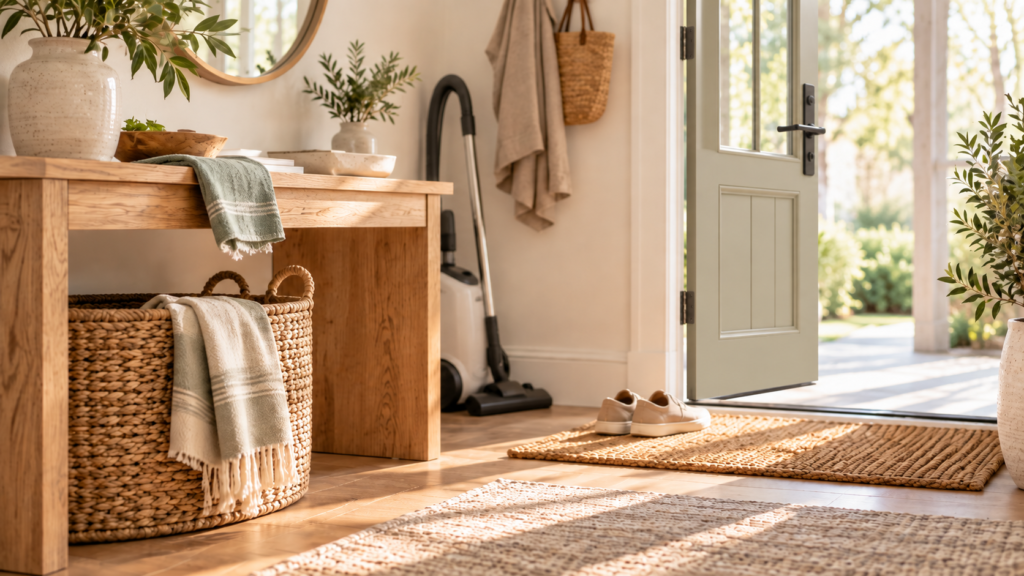
Household dust is part of everyday life, but a few simple habits can help keep it in check. Leave shoes at the door, use a good doormat, vacuum with a HEPA filter, and wipe surfaces with a damp cloth to help keep your home feeling fresh and clean daily.
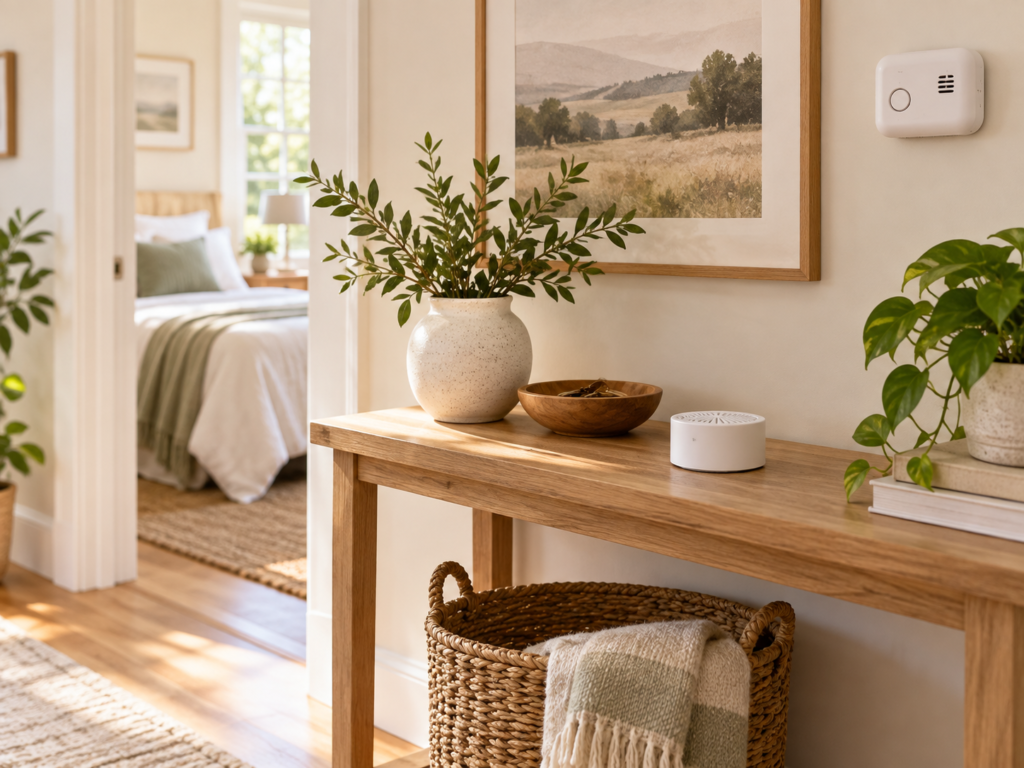
A home safety check can bring peace of mind. Test for radon from time to time, and keep working carbon monoxide alarms on every level and near sleeping areas. These small steps are easy to manage and can help keep your home feeling well cared for today.
If you can see it or smell it, the answer is the same either way: find the water and stop it.
Testing tells you less than fixing the moisture does.
Hi, I’m Nicky
I’m here to help you create a healthier, more intentional home with non-toxic essentials. My mission is to make cleaner, low toxic living feel achievable for everyday life — one small swap at a time.
If you want more help deciding which changes are actually worth making, how to read a label, and where to start room by room, my Beginner’s Guide to Non-Toxic Living walks through it step by step.